3
SAINT-SAËNS, LAURIDSEN, FAURÉ – BÉNI CSILLAG
Approx until: 9.15 pm
Approx until: 9.15 pm
Ön egy múltbeli eseményre keresett rá. Kérjük, válogasson aktuális kínálatunkból a Jegy.hu keresőjében!
SAINT-SAËNS, LAURIDSEN, FAURÉ – BÉNI CSILLAG
Camille SAINT-SAËNS: Calme des nuits (Calm of the Nights), Op. 68/1
Camille SAINT-SAËNS: Les fleurs et les arbres (The Flowers and the Trees), Op. 68/2
Morten LAURIDSEN: Les chansons des roses (The Songs of the Roses)
Gabriel FAURÉ: Cantique de Jean Racine (The Canticle of Jean Racine), Op. 11
Gabriel FAURÉ: Les Djinns (The Djinns), Op. 12
***
Gabriel FAURÉ: Requiem, Op. 48
Dóra Bizják piano
Dávid László Ács organ
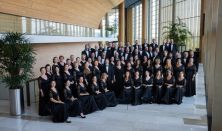
Hungarian National Choir (choirmaster: Csaba Somos)
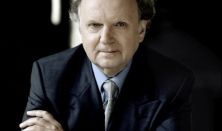
Conductor: Béni Csillag
Camille Saint-Saëns (1835–1921) produced a highly varied body of work, yet his choral compositions remain almost entirely unknown in Hungary. Beautiful and poetic examples of this output are the two pieces of Op. 68, composed in 1882: Calme des nuits (Calm of the Nights) and Les fleurs et les arbres (The Flowers and the Trees). Similarly refined techniques are employed in the lyrical music of the cycle Les chansons des roses (The Songs of the Roses, 1993) by the contemporary composer Morten Lauridsen (b. 1943), who, despite his Scandinavian-sounding name, is American. This five-movement cycle is a testament to the composer’s love of Rainer Maria Rilke’s poetry and was set to poems that Rilke composed in French (!). Two shorter works by Gabriel Fauré (1845–1924), to be performed at the end of the first half, are the Cantique de Jean Racine (The Canticle of Jean Racine, 1865), which sets a French paraphrase of a Latin hymn text by Racine to music, and Les Djinns (The Djinns, 1875). These pieces serve as a form of prelude to the most significant and substantial work on the programme: the Requiem, which follows the interval and was composed in 1877 and revised between 1887 and 1893. This is perhaps the most distinctive work in the genre as it eschews drama (omitting the entire Dies irae text) and places the emphasis on eternal rest and consolation. Dóra Bizják is the répétiteur and alto section leader of the Hungarian National Choir (choirmaster: Csaba Somos), while Dávid László Ács is a distinguished representative of the young generation of organists, having given his diploma recital at the Liszt Academy in 2019. The conductor, Béni Csillag, is a Hungarian musician living abroad and a respected figure on the Dutch music scene.


Life-Oeuvre-Pinnacle
Intoxicating Baroque Vivaldi - Pergolesi - Boccherini - Galuppi - Mozart - Jommelli - Binon - Malov - T’Hooft
item(s) in basket
total:
Time limit has expired. Please, put item(s) in to basket again.